March equinox – equal day and night, nearly

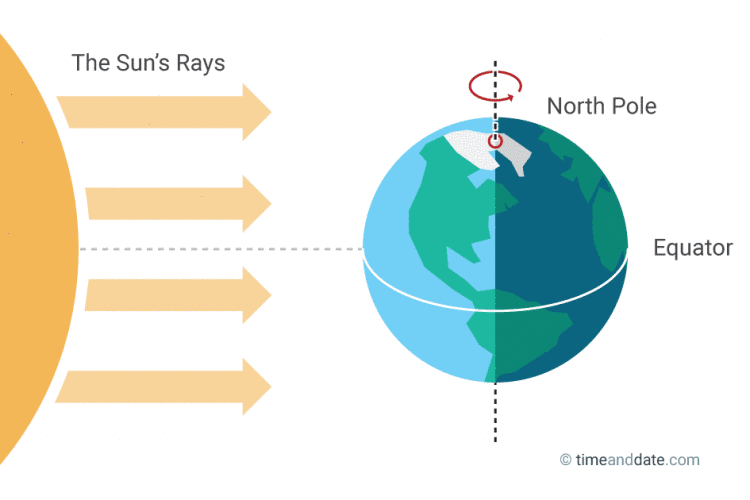
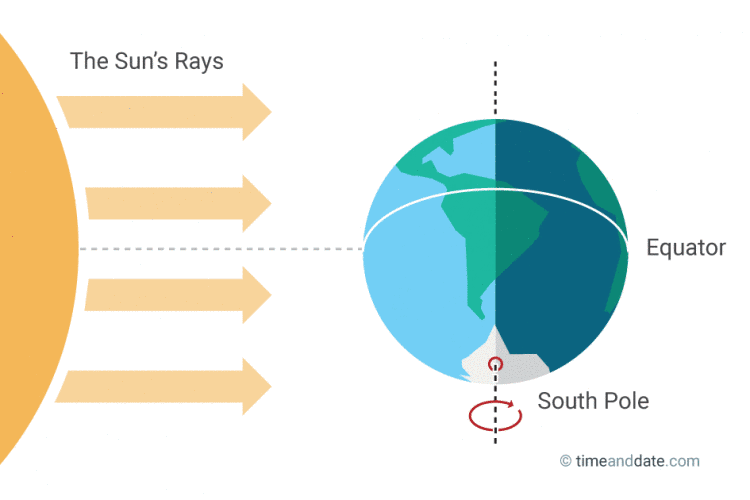
There are two equinoxes every year – in March and September – when the Sun shines directly on the equator and the length of night and day are nearly equal, but not quite.
The Earth during the equinox. (Not to scale)
Spring in the north, fall in the south
Equinoxes and solstices are opposite on either side of the equator, and the March equinox is also known as the “spring (vernal) equinox” in the northern hemisphere and as the “autumnal (fall) equinox” in the southern hemisphere. Continue reading Spring equinox 2019 →
Fall Equinox, 22-Sep-2016@11:21am ADT: see here for more details …

There are two equinoxes every year – in September and March – when the sun shines directly on the equator and the length of day and night is nearly equal.
The Earth during the equinox. (Not to scale)
Fall in the north, spring in the south
Equinoxes and solstices are opposite on either side of the equator, and the September equinox is also known as the “autumnal (fall) equinox” in the northern hemisphere and as the“spring (vernal) equinox” in the southern hemisphere. Continue reading Fall Equinox, 22-Sep-2016@11:21am ADT →
March equinox – equal day and night, nearly
There are two equinoxes every year – in March and September – when the Sun shines directly on the equator and the length of night and day are nearly equal, but not quite.
The Earth during the equinox. (Not to scale)
Spring in the north, fall in the south
Equinoxes and solstices are opposite on either side of the equator, and the March equinox is also known as the “spring (vernal) equinox” in the northern hemisphere and as the “autumnal (fall) equinox” in the southern hemisphere. Continue reading Spring/March Equinox, 20-Mar-2016@01:30am ADT →
Fall Equinox, 22-Sep-2016@11:21am ADT: see here for more details …
Fall Equinox: see here for more details …
There are two equinoxes every year – in September and March – when the sun shines directly on the equator and the length of day and night is nearly equal.
The Earth during the equinox. (Not to scale)
Fall in the north, spring in the south
Equinoxes and solstices are opposite on either side of the equator, and the September equinox is also known as the “autumnal (fall) equinox” in the northern hemisphere and as the“spring (vernal) equinox” in the southern hemisphere. Continue reading Fall Equinox, 23-September-2015@05:22am ADT →
March equinox – equal day and night, nearly
There are two equinoxes every year – in March and September – when the Sun shines directly on the equator and the length of night and day are nearly equal, but not quite.
The Earth during the equinox. (Not to scale)
Spring in the north, fall in the south
Equinoxes and solstices are opposite on either side of the equator, and the March equinox is also known as the “spring (vernal) equinox” in the northern hemisphere and as the “autumnal (fall) equinox” in the southern hemisphere. Continue reading March equinox, 20-Mar-2015@07:45pm ADT →