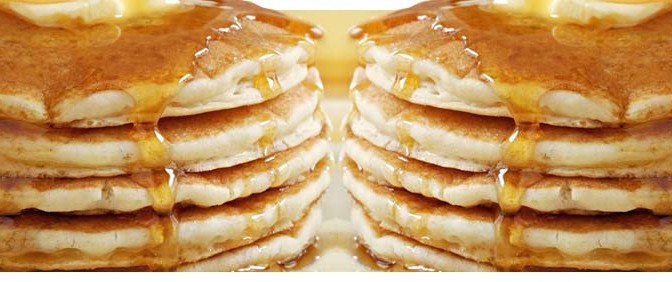
We’ve compiled a brief overview of Fireman’s Breakfasts held in the surrounding communities.
Please see here or under the Events menu for details.

We’ve compiled a brief overview of Fireman’s Breakfasts held in the surrounding communities.
Please see here or under the Events menu for details.
Cherry Hill is back with their popular Fireman’s Breakfast on 28-Mar-2015 from 8am to 11am.
There will be a Cherry Hill Fireman’s breakfast every 4th Saturday of the month up to and including November/2015.
Make sure to reserve these dates!
On 20-Mar-2015 – together with Spring Equinox and a New Moon – a Total Solar Eclipse is happening.
The eclipse cannot be seen at all from the American continents. But it’s a Total Solar Eclipse in Svalbard (Norway) and the Faroe Islands, and a Partial Solar Eclipse in Europe, northern and eastern Asia and northern and western Africa.

The eclipse starts at 07:41 UTC and ends at 11:50 UTC. Continue reading Total Solar Eclipse on 20-Mar-2015

Today, 15-Mar-2015, the FoxCreek community experienced two prolonged power outages embedded in many power flickers throughout the day.
Outage 1: 10:31am to 1:37 pm
Outage 2: ~4:15pm to 5:53pm
Communities from Milton/Liverpool up to the Camperdown/Lapland area and including E/W Berlin, Port/East Port Medway, Voglers Cove, Cherry Hill and Broad Cove were also affected – with different outage times though.

There are two equinoxes every year – in March and September – when the Sun shines directly on the equator and the length of night and day are nearly equal, but not quite.
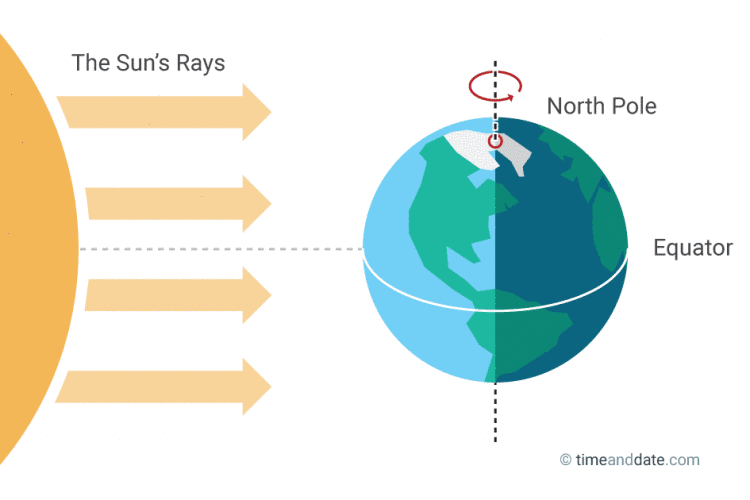
The Earth during the equinox. (Not to scale)
Equinoxes and solstices are opposite on either side of the equator, and the March equinox is also known as the “spring (vernal) equinox” in the northern hemisphere and as the “autumnal (fall) equinox” in the southern hemisphere. Continue reading March equinox, 20-Mar-2015@07:45pm ADT
Daylight Saving Time (DST) is often misspelled “Daylight Savings”, with an “s” at the end. Other common variations are “Summer Time”and “Daylight-Saving Time”.
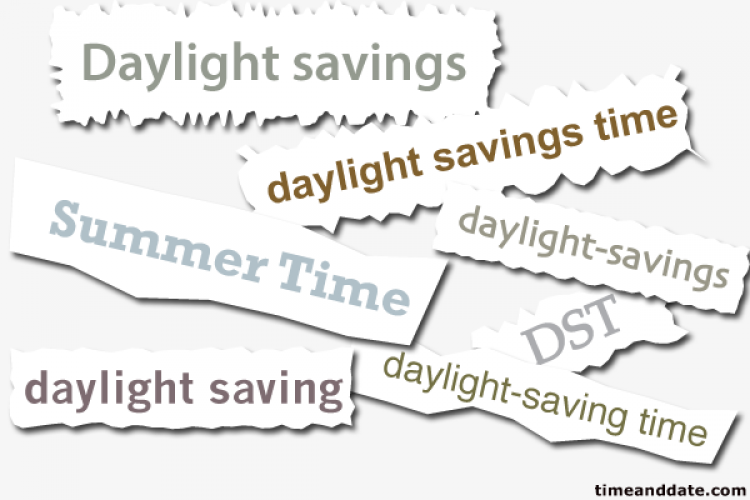
Setting our clocks one hour forward in the spring is often referred to as “Daylight Savings Time” even though “Daylight Saving Time” is the correct spelling. Continue reading Daylight Savings Time or Daylight Saving Time
Daylight Saving Time (DST) starts in USA and Canada !!!
On Sunday, March 8, 2015, most of the United States, Canada, and Mexico’s northern border cities will start Daylight Saving Time (DST). At 2:00h (2am) clocks will be set forward one hour!
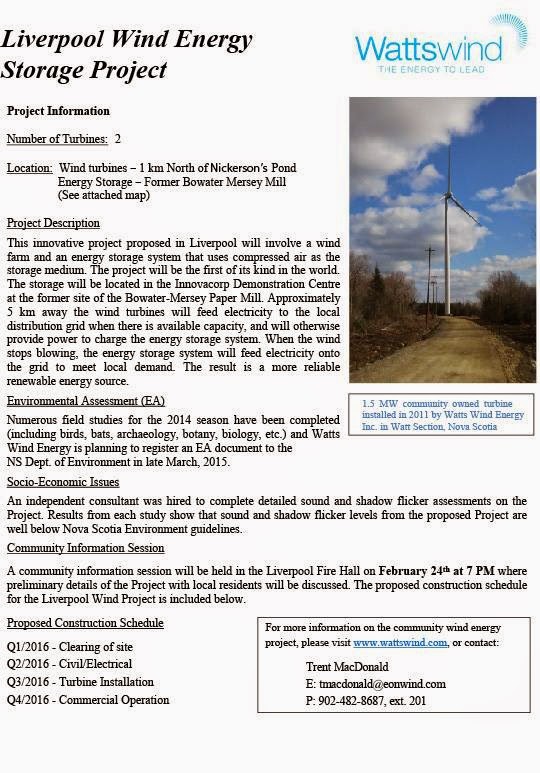
The Riverbank Café starts with its Riverbank Breakfast Bar on January 28th, 2015.
See flyer for details.